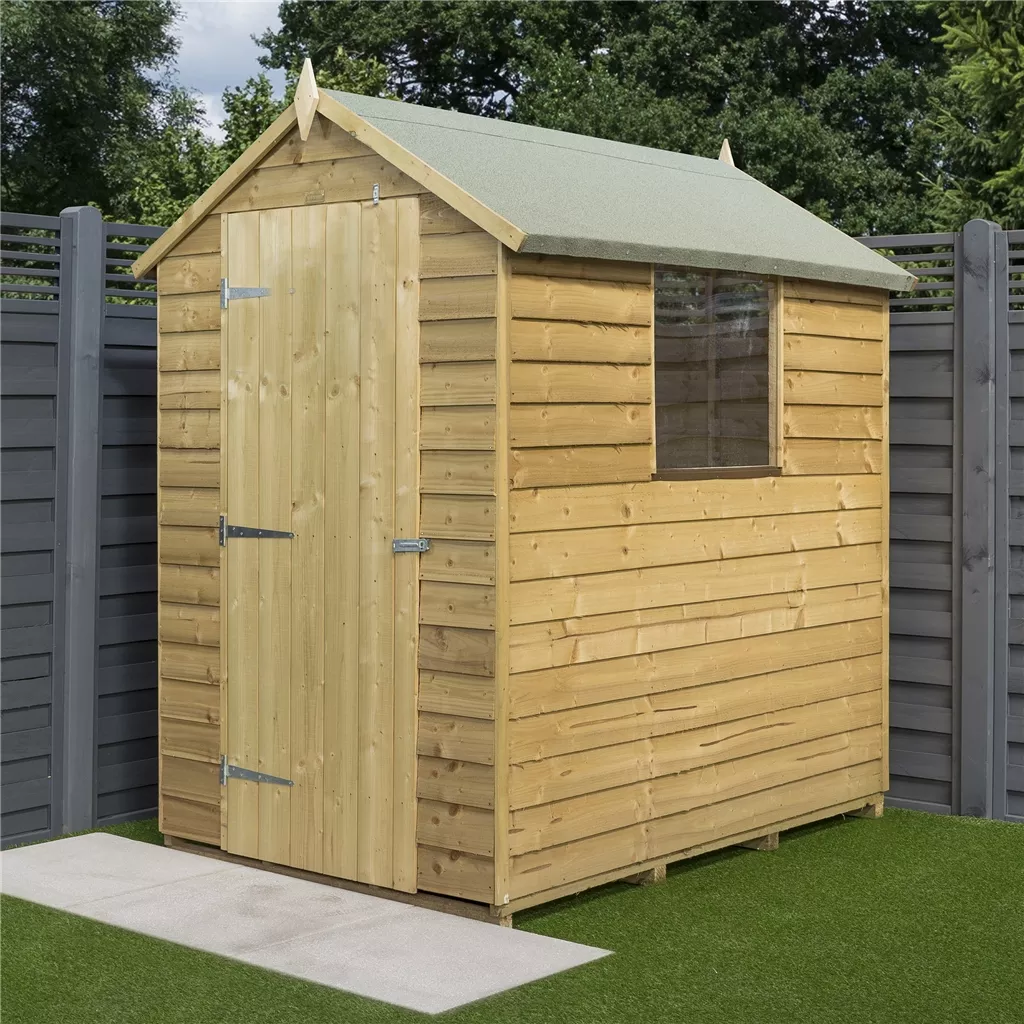
 Save £521.24 · 51%
Cheshire
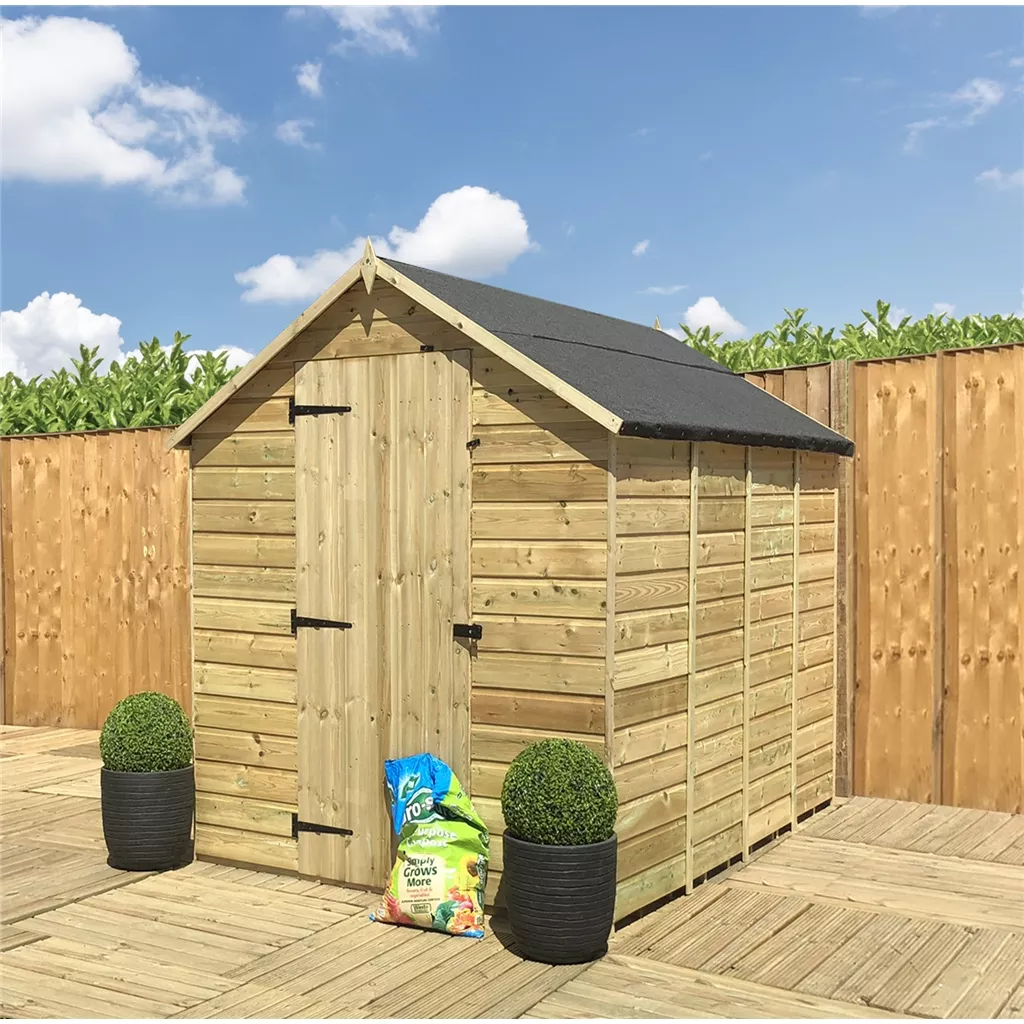
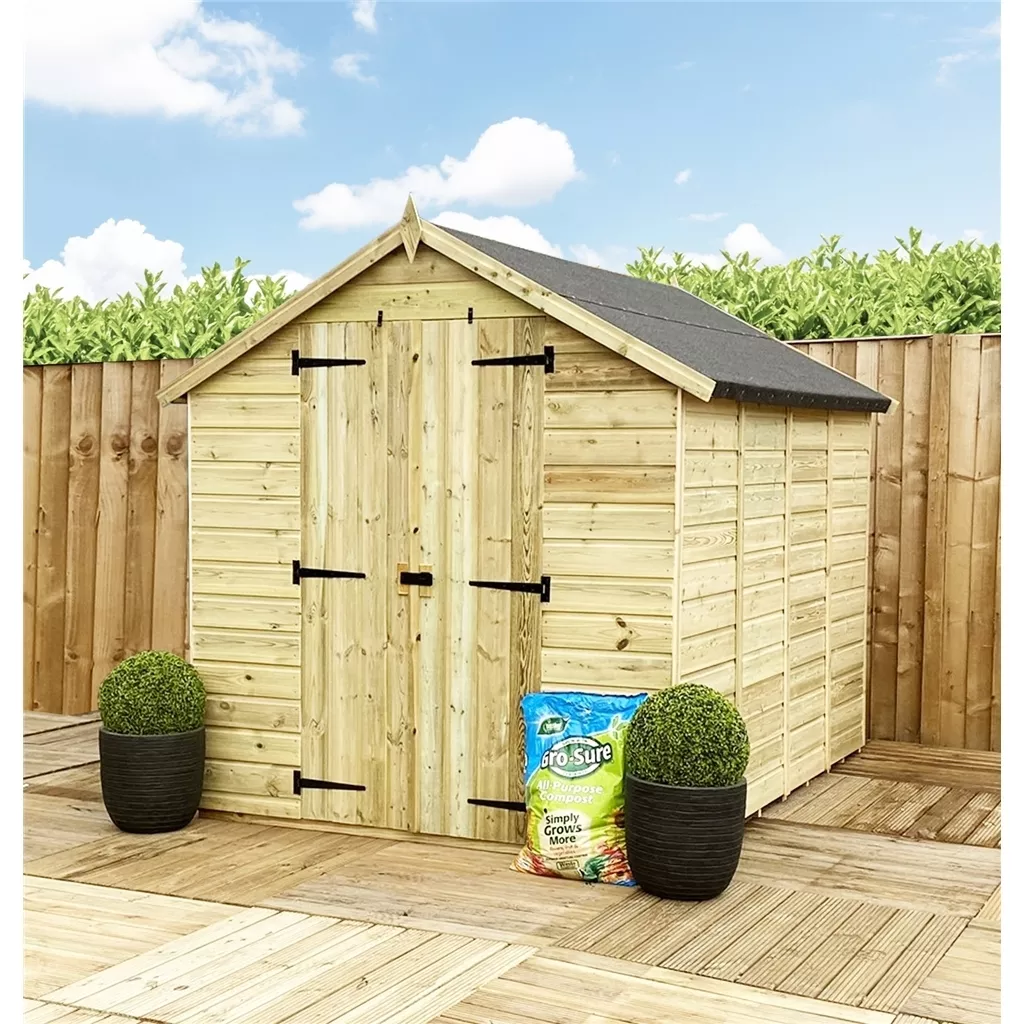
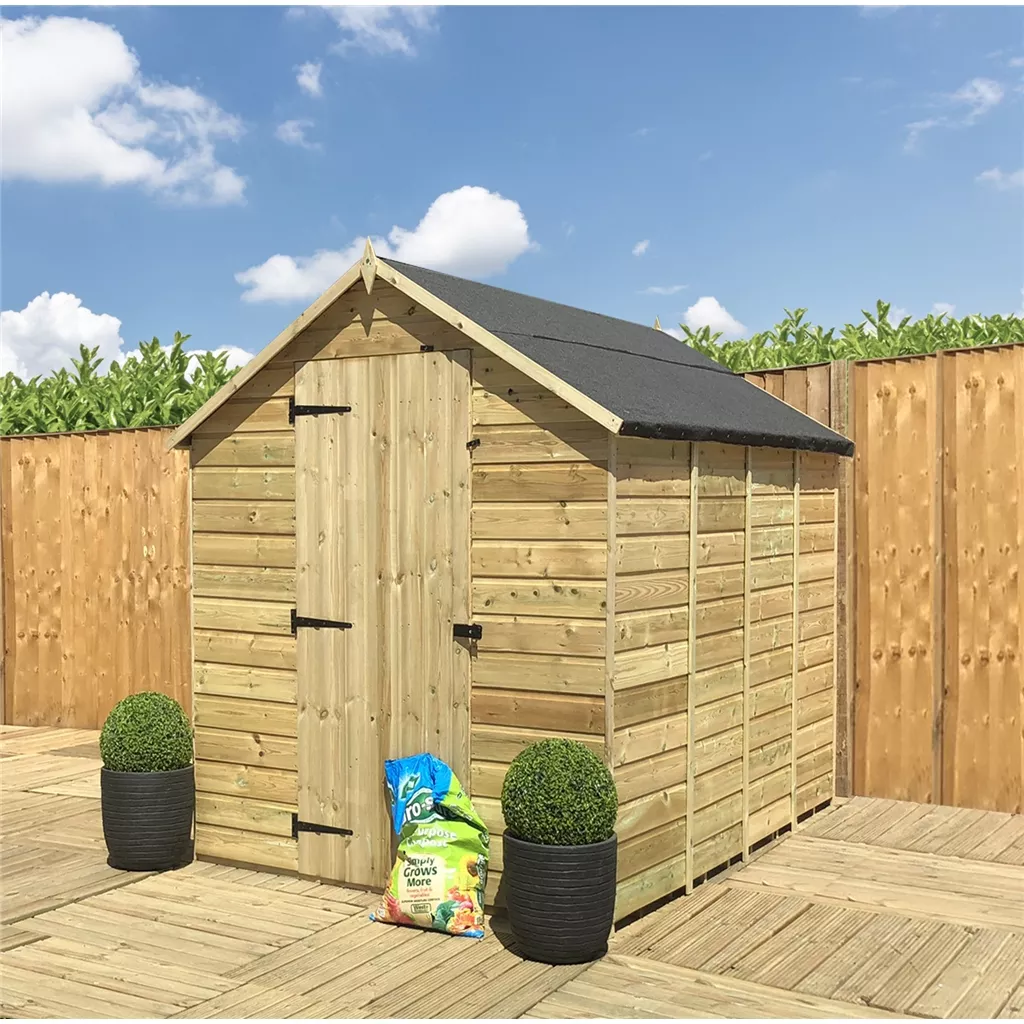
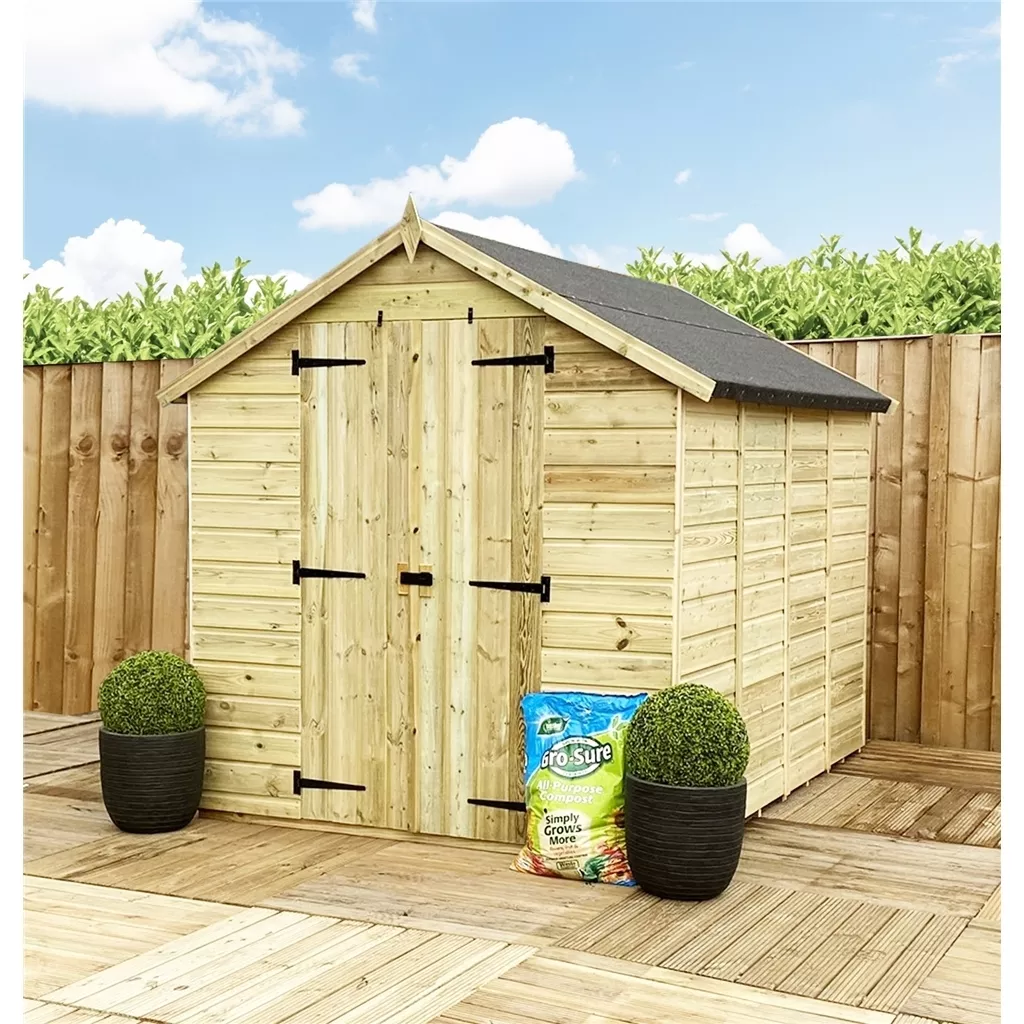
6 x 4 Pressure Treated Overlap Shed, Single Door and 1 Window
£501.13 £1,022.37
Delivery checked by postcodeInstallation on selected buildings
View building & options →
Use the quick choices below to narrow the ShedsFirst range by style, size or practical use.
Save £521.24 · 51%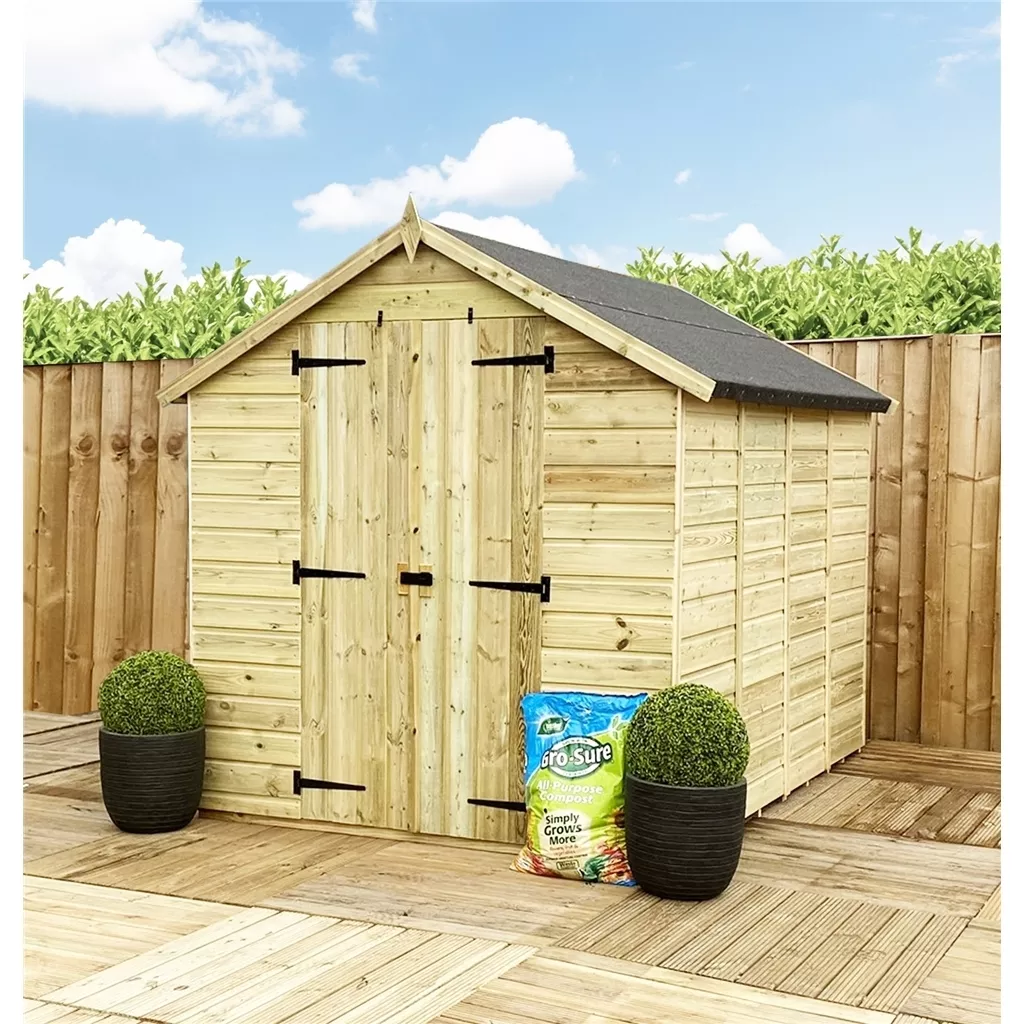 Save £587.44 · 44%
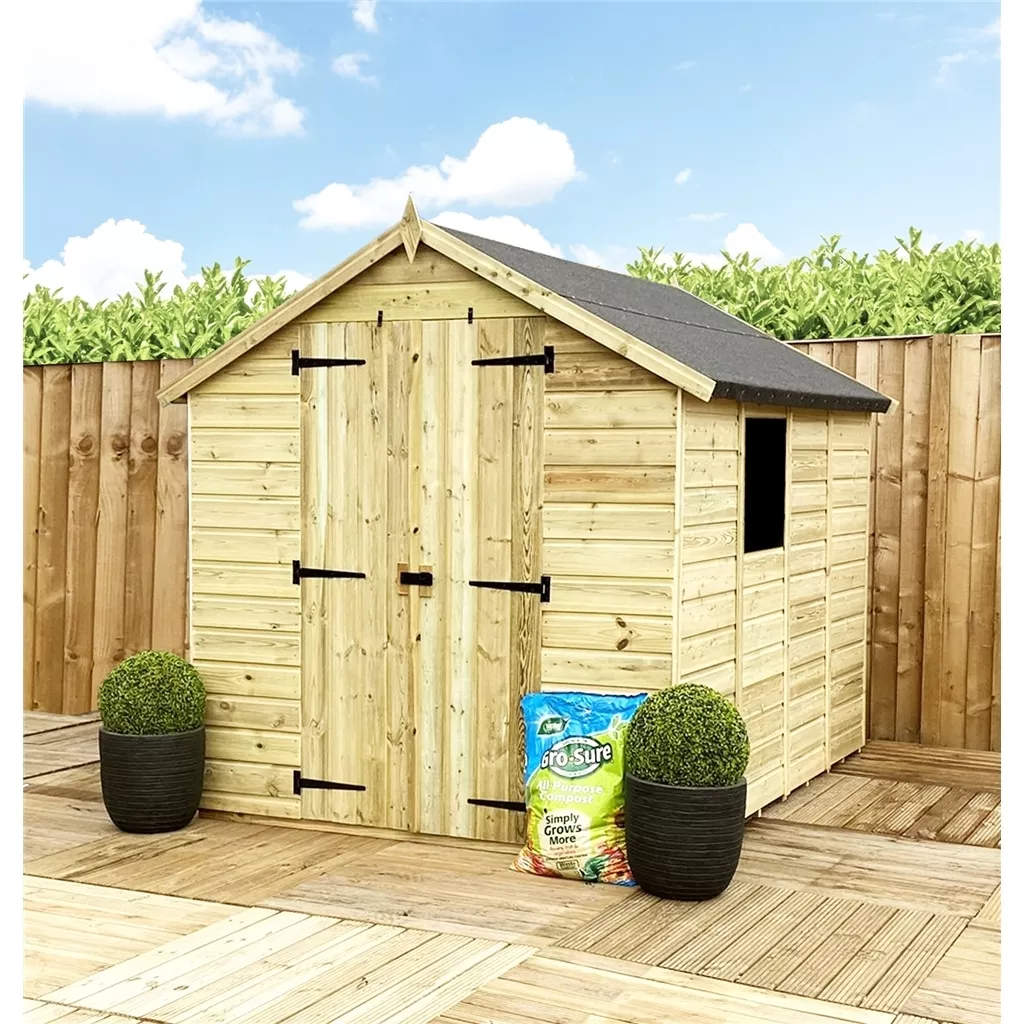 Save £587.44 · 44%
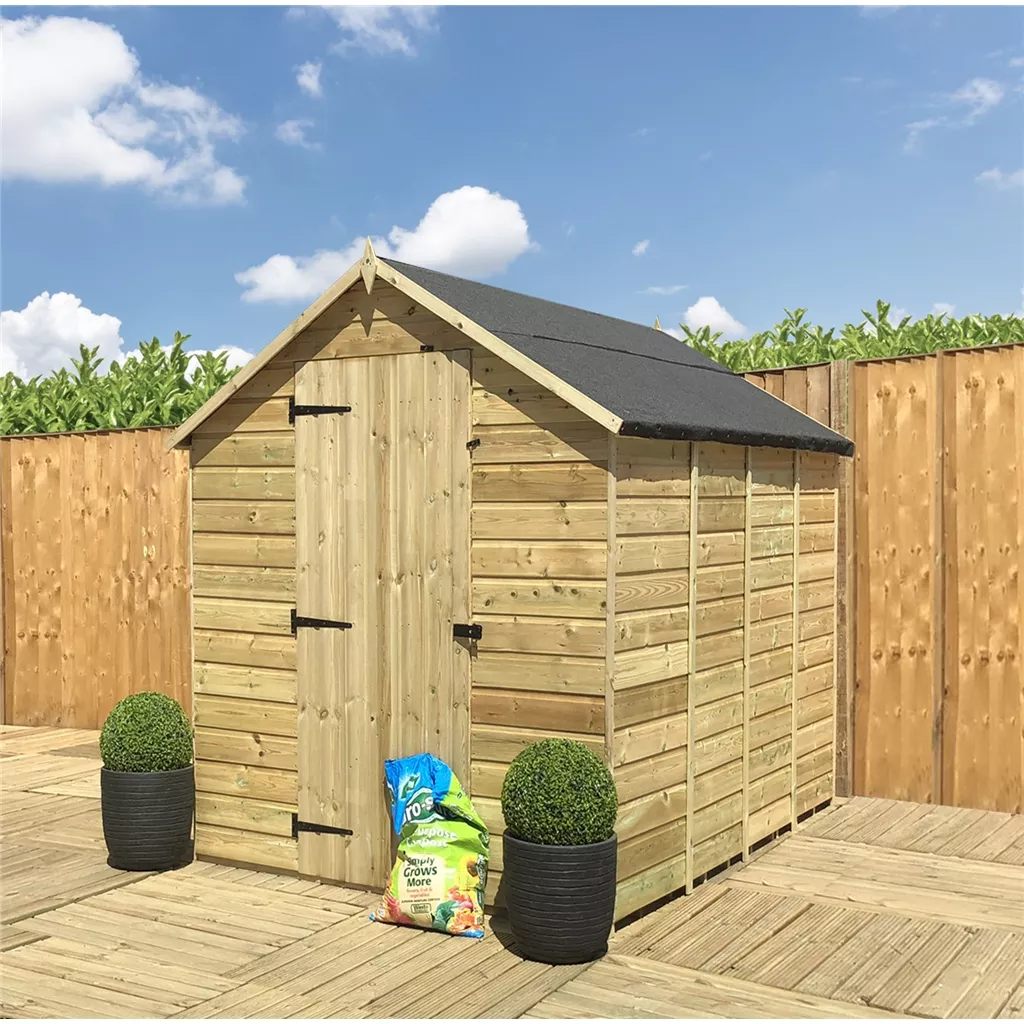 Save £587.44 · 44%
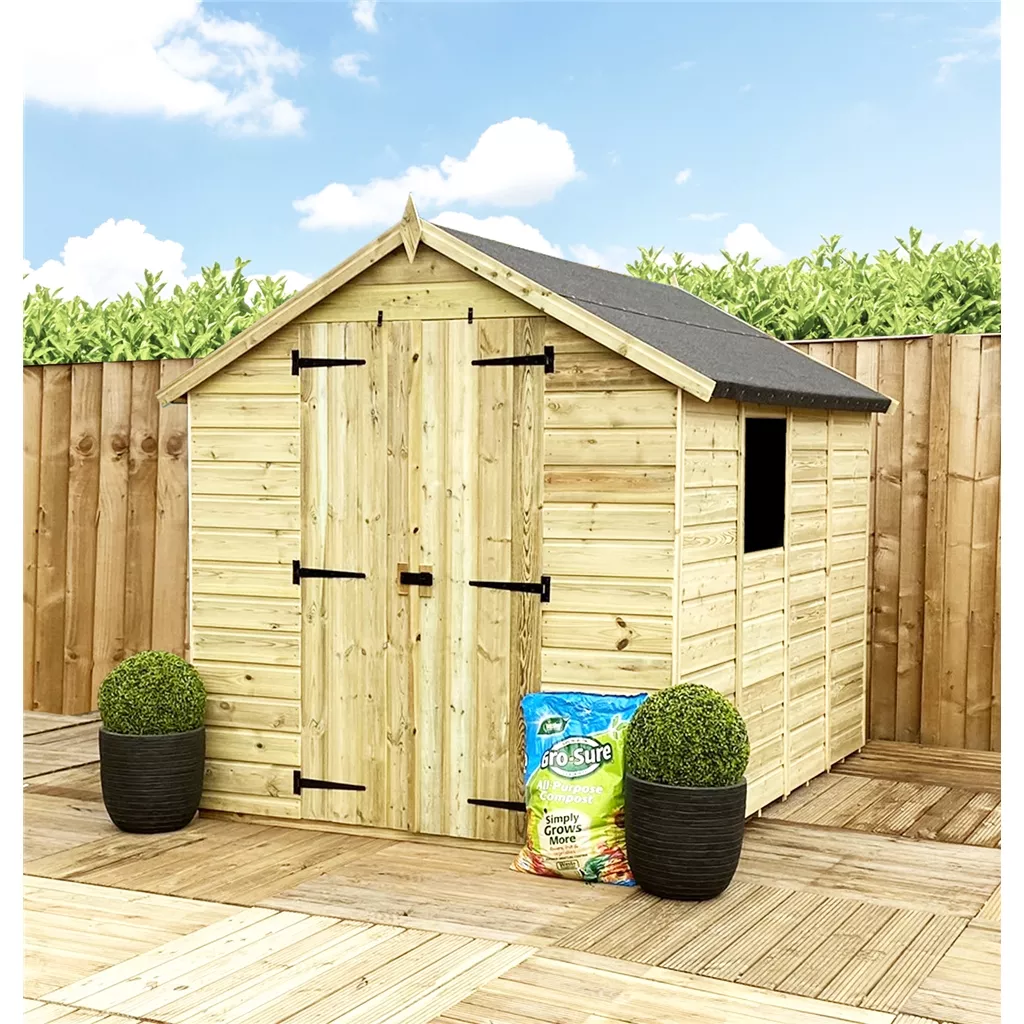 Save £588.86 · 44%
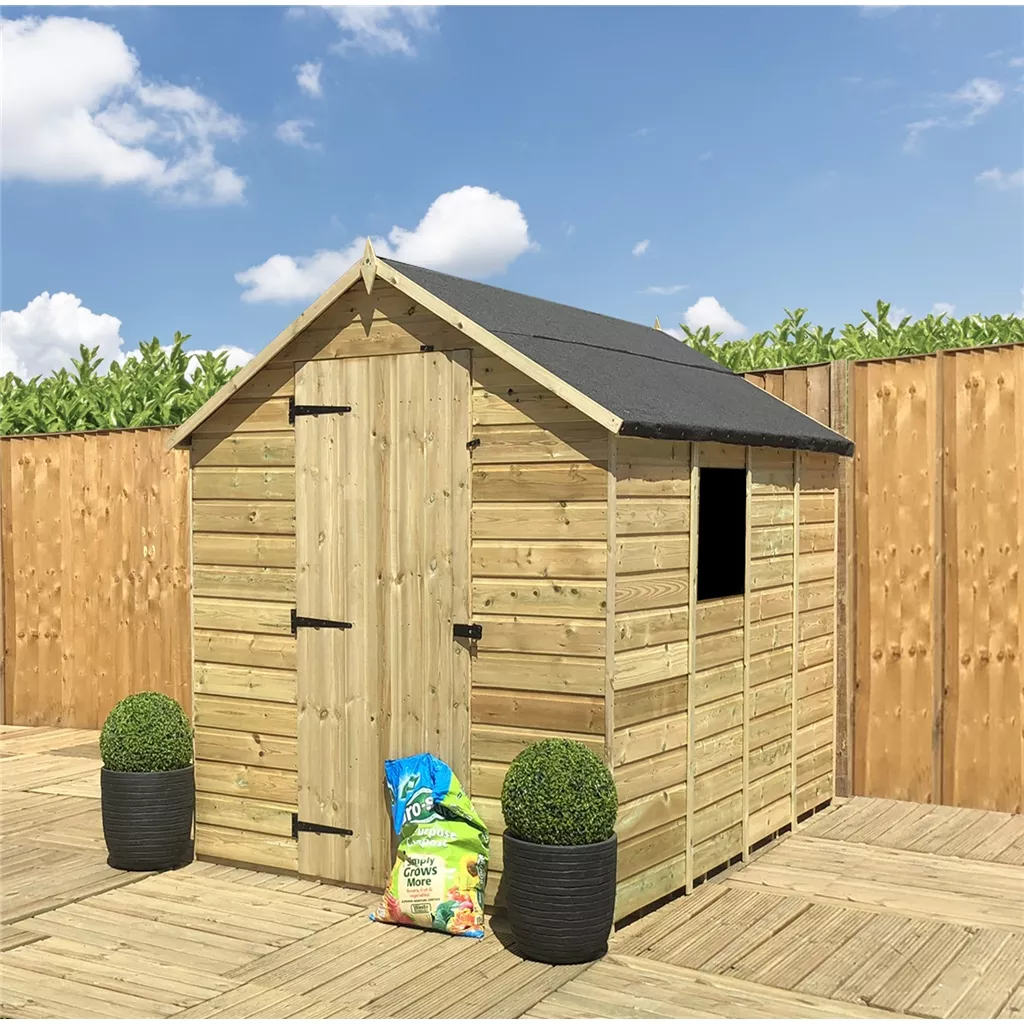 Save £600.83 · 44%
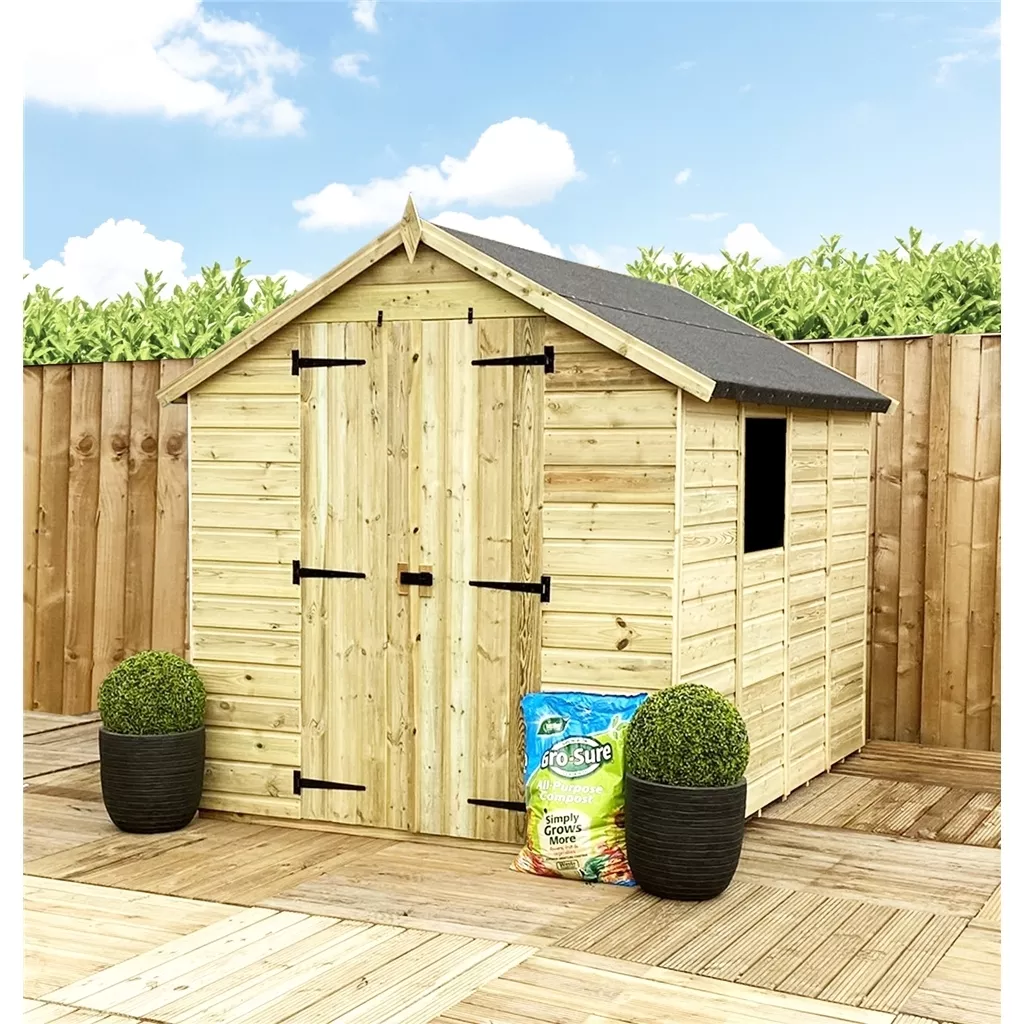 Save £623.24 · 44%
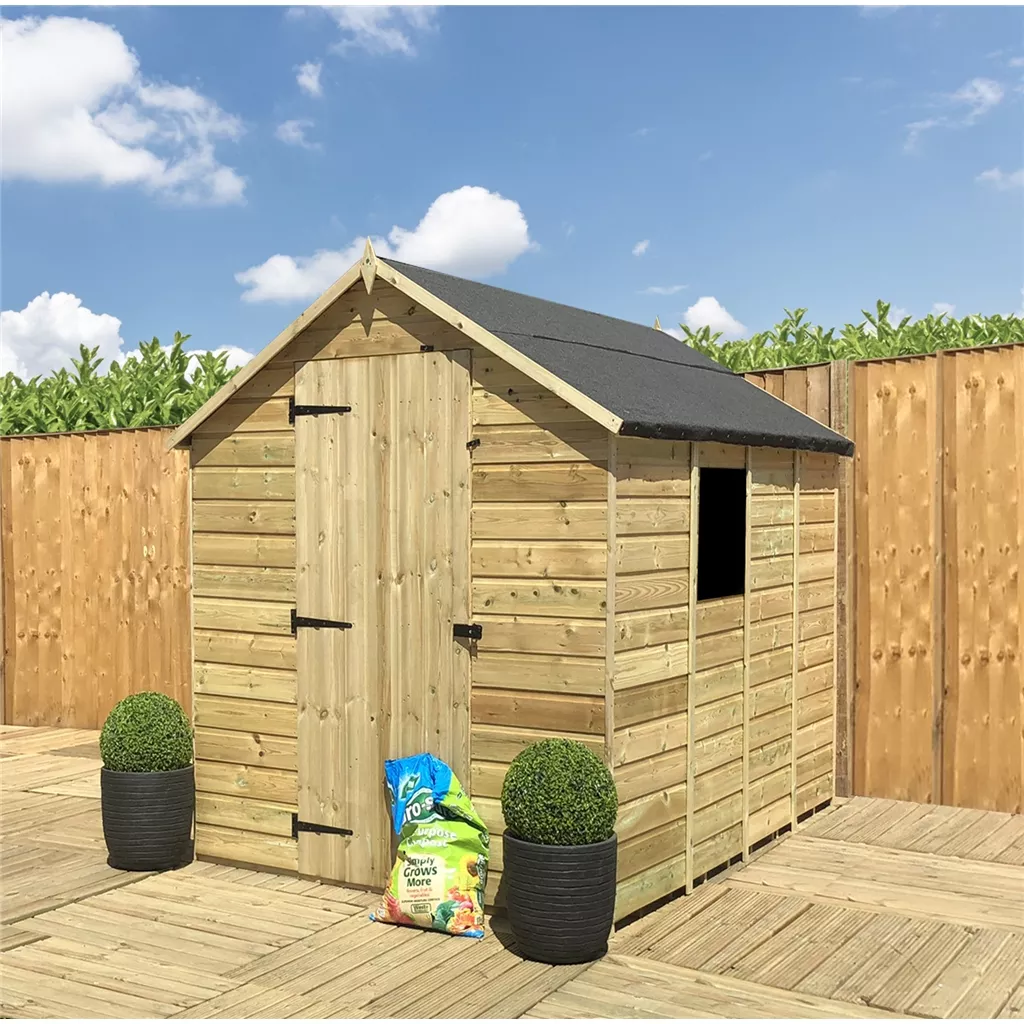 Save £623.24 · 44%
 Save £623.24 · 44%
 Save £629.04 · 44%
 Save £629.04 · 44%
 Save £633.33 · 44%
In Clay Coton carefully inspect canopy spread and hedge lines before placing a new building to avoid future obstructions. Measure clearance from trunks and the outer dripline to ensure roof edges and overhangs will not be impeded by branches or falling debris. Account for root zones when deciding on foundation type and check whether base systems allow for slight slopes or irregular ground near hedges. Ask suppliers about recommended clearance to vegetation and whether uplift of leaves will affect gutters. Consider movable or modular units if tight planting makes permanent siting awkward. Confirm your selected pressure treated sheds product options and delivery postcode before ordering.
This is general buying guidance, not an assessment of a particular property or building. Check product-specific details and delivery using your postcode.
Pressure treatment helps protect timber over the long term, but the building still needs a level base, sensible ventilation and normal care. Compare wall construction, framing, roofing, doors and guarantees rather than treatment alone. In Clay Coton, measure gates, side passages and any tight turns as well as the finished base area. If installation is required, the base should be complete, level and accessible before the fitting date; product-specific delivery and installation details are confirmed against your postcode.
Delivery options vary by product and postcode. Installation is available on selected garden buildings. Always check the product's base requirements before ordering and make sure there is suitable access to the delivery or installation area.
Measure the usable garden area and allow space for access, doors, roof overhangs and maintenance. It is usually better to allow some spare internal storage space rather than buying to the exact minimum.
Installation is available on selected buildings. Availability depends on the product, postcode and base conditions, so our team will confirm the details before the order proceeds.
Yes. Every shed or garden building should stand on a firm, level and well-drained base. The base is the foundation underneath the building; it is different from the internal floor supplied with some sheds. Common options include concrete, paving slabs, timber frames and plastic base systems. Shop shed bases →
Wooden garden buildings are designed to be weather-resistant rather than completely waterproof. Correct assembly, a level base, a properly fitted roof covering, timber treatment and ventilation all help keep the building dry and performing well. Read our wooden shed care guide →
Many garden buildings in England can be installed under permitted development rights, subject to height, position and coverage limits. A key rule is that a building within 2 metres of a boundary is generally limited to 2.5 metres overall height. Listed buildings, flats and some restricted or designated properties need extra checks. Read our planning permission guide →